

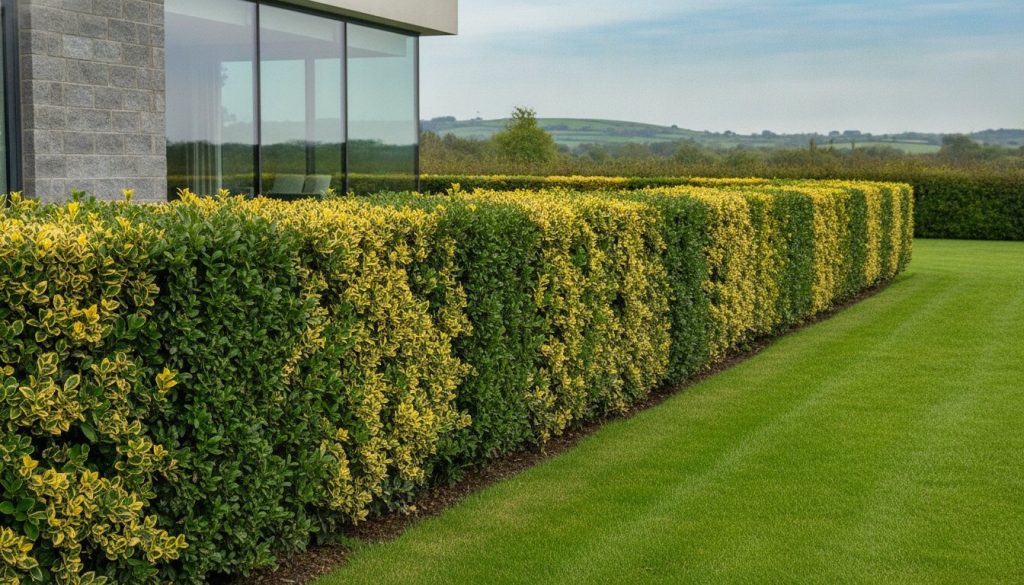
You might think the most reliable garden boundary in Ireland is a costly laurel or a slow-growing yew, but the humble privet often outperforms them both when managed correctly. Choosing the right screen for your home is a big decision. It’s understandable if you’re confused by terms like ‘semi-evergreen’ or if you’re worried about your hedge becoming thin and leggy at the base. When looking into privet hedging Ireland homeowners often feel uncertain about whether bare root plants will actually thrive or if they’ll lose all their leaves the moment a frost hits.
We’re here to settle those doubts with practical, experience-led advice. You’ll discover why privet remains a staple of our landscape and learn the truth about its growth, winter behaviour, and planting requirements. In this guide, we’ll debunk seven common myths that hold gardeners back. We’ll cover everything from the differences between Green and Golden varieties to the secrets of establishing a dense, secure boundary using cost-effective bare root stock. By the end, you’ll have the confidence to plant a hedge that looks great and lasts for decades.
Key Takeaways
- Understand why privet is a versatile, hardy choice for various Irish landscapes, moving beyond its reputation as a suburban-only plant.
- Compare the growth rates and visual appeal of Green and Golden varieties to select the right fit for your garden’s specific conditions.
- Learn how the Irish climate affects “semi-evergreen” foliage and what to expect from privet hedging Ireland when winter frosts or high winds arrive.
- Discover why the bare root season between November and March is the professional’s choice for establishing successful, cost-effective screening projects.
- Master a simple pruning schedule to prevent leggy growth and keep your mature hedge crisp, thick, and healthy for decades.
What is Privet Hedging? Debunking the ‘Suburban Only’ Myth
Privet is often unfairly pigeonholed as a relic of 1950s housing estates. While it certainly provided the backdrop for generations of Irish suburban life, this hardy shrub is far more versatile than old stereotypes suggest. It is a dense, fast-growing plant that has been a staple of the Irish landscape for over a century. Today, professional growers and designers use it for crisp, formal lines in contemporary gardens and as a vital structural element in rural boundaries. It’s not just a plant for the past. It’s a functional, resilient tool for the modern garden.
The myth that privet is “boring” or “outdated” ignores its incredible adaptability. In reality, it’s a designer’s workhorse. It takes to pruning better than almost any other species, allowing for sharp, architectural shapes or soft, rounded mounds. Whether you’re looking for privet hedging Ireland homeowners use to block out street noise or a green canvas for a colourful flower bed, this plant delivers consistency that many newer imports simply can’t match. It provides a reliable, living structure that supports local birds and insects whilst maintaining its shape through the seasons.
The Botanical Basics: Ligustrum ovalifolium
The variety most commonly found in Irish nurseries is Ligustrum ovalifolium, also known as Japanese Privet. It features oval, glossy green leaves that grow in a tight, overlapping pattern. This density is exactly what makes it such an effective screen. In mid-summer, if left unclipped, it produces panicles of creamy-white flowers. These blooms have a distinct, heavy scent that attracts bees and butterflies in large numbers. While the garden variety is the standard, it’s useful to understand its cousin, Wild Privet (Ligustrum vulgare), which is native to Europe and offers a slightly more loose, naturalised habit.
Both types are exceptionally tough. With an RHS hardiness rating of H6, privet is suitable for all Irish regions. It survives the salt-laden winds of the Atlantic coast and the deep frosts of the midlands without much fuss. It is a plant built for the Irish climate, thriving in most soil types as long as they aren’t waterlogged. Its ability to recover quickly from hard pruning makes it a forgiving choice for beginner gardeners.
Why Irish Gardeners Choose Privet for Privacy
Choosing a hedge often comes down to the need for a secure, private perimeter. When pruned regularly, privet creates an almost impenetrable wall of foliage. It’s excellent at dampening road noise and acting as a windbreak for more delicate garden plants. Because it tolerates high levels of air pollution, it’s the ideal choice for roadside boundaries in busy towns and cities. For those looking to secure their property, it ranks highly amongst the best hedging for privacy Ireland has to offer. It provides a year-round screen that keeps prying eyes out and pets safely in, all whilst requiring less initial investment than many large-potted laurels.
Green vs Golden Privet: Choosing the Right Variety for Your Land
Deciding between Green and Golden varieties is the first step in planning your project. While they share the same botanical DNA, their visual impact and growth habits differ enough to change the look of your garden entirely. Green Privet is the traditional choice for a reason. It offers a deep, uniform emerald backdrop that blends seamlessly into the Irish countryside. Golden Privet, or Ligustrum ovalifolium ‘Aureum’, provides a bright, sunny alternative that can lift a dull space even on a grey afternoon.
One common myth is that both varieties grow at the same speed. In reality, Green Privet is the faster of the two. It typically grows between 1 and 2 feet per year, making it the superior choice for homeowners who need privacy quickly. Golden Privet is slightly more reserved, usually growing about 9 to 12 inches annually. This slower pace makes it easier to maintain in smaller gardens where space is at a premium. When choosing privet hedging Ireland growers often recommend Green for long boundary runs and Golden for decorative sections closer to the house.
Green Privet: The Classic Boundary
Green Privet is prized for its reliability. Its dense, glossy leaves create a solid wall of colour that stays consistent for most of the year. It is significantly more shade-tolerant than its golden counterpart. This makes it the go-to option for planting under larger trees or on the north side of a building where light is limited. If you want a crisp, formal hedge that requires little fuss, the green variety is hard to beat. It provides excellent cover for nesting birds, a point noted in The Wildlife Trusts’ profile of wild privet, which highlights how these shrubs support local biodiversity.
Golden Privet: Brightening Darker Corners
The vibrant yellow-margined leaves of Golden Privet are its greatest asset. However, there is a common ‘sunlight myth’ to address. Many people plant it in deep shade hoping to brighten the area, but the plant actually needs a bright, sunny spot to maintain its vibrant colour. Without enough light, the leaves will lose their yellow pigment and turn a muddy green. It works beautifully as a specimen plant or as a contrasting panel within a longer green hedge. If you have a south-facing garden, this variety will glow with a golden hue throughout the summer months.
Both types are available as high-quality, Irish-grown stock. If you’re unsure which variety suits your soil or light levels, you can view our current selection of privet to compare the habits of each. Whether you choose the classic green or the striking gold, both will establish quickly if planted correctly during the dormant season.
The ‘Semi-Evergreen’ Myth: Will Your Hedge Stay Green in Winter?
The term “semi-evergreen” is often a source of confusion for Irish gardeners. In our climate, it means the plant intends to keep its foliage year-round but may shed leaves if pushed by extreme conditions. A common myth we hear is that a privet hedge losing its leaves in January is dying or diseased. This is rarely the case. Leaf drop is a natural survival response to severe environmental stress, such as a prolonged deep frost or exceptionally high winds. Once the spring temperatures rise, the hedge will flush with new, vibrant growth quite quickly.
When installing privet hedging Ireland homeowners should note that maturity plays a huge role in winter appearance. A young, newly planted hedge is far more likely to go bare than an established one. As the hedge matures, the wood becomes thicker and the network of internal branches grows more complex. This creates a sheltered microclimate within the hedge itself. A mature, well-cared-for privet hedge in a sheltered garden will often remain almost entirely green throughout a typical Irish winter.
Managing Expectations for Winter Privacy
If your primary goal is a boundary that never loses a single leaf, you might look at Portuguese laurel as an alternative. It is a true evergreen with different foliage characteristics. However, don’t underestimate the screening power of a dormant privet. Even when the leaves are thin, the dense, twiggy structure of the branches provides a significant visual barrier. It still breaks the wind and obscures the view into your garden. For those in very exposed or coastal sites, we suggest using a temporary windbreak of netting during the first two winters to protect young plants from “winter scorch” and excessive leaf loss.
The Role of Pruning in Leaf Retention
How you prune during the summer directly affects how the hedge looks in December. Regular trimming encourages the plant to produce a massive amount of fine, bushy growth. A hedge that is kept tight and dense will retain its leaves much better than one that is left “leggy” or thin. We recommend a final tidy-up trim in September, once the annual hedge-cutting ban has ended. This allows the foliage to settle and toughen up before the cold weather sets in. A thick, well-maintained structure is the best defence against the elements, ensuring your privet hedging Ireland project maintains its privacy and colour for as long as possible each season.
Planting Bare Root Privet: Truths About Timing and Survival
Most gardeners are used to buying plants in plastic pots year-round, but for large-scale projects, bare root is the superior choice. This method involves lifting plants directly from the field during their dormant phase. When establishing privet hedging Ireland homeowners find that bare root stock offers a much higher success rate for long boundaries. Because these plants are grown in open soil rather than restricted pots, they develop a more natural and resilient root architecture. This allows them to settle into your garden soil quickly once the spring growing season begins.
Timing is the most critical factor for success. You must plant during the bare root tree season Ireland, which typically runs from mid-November to March. Outside of these months, the plants are active and cannot be moved without soil around their roots. Before your plants arrive, prepare the ground by digging a trench approximately 30cm deep. Ensure the site has good drainage; privet is hardy, but it won’t tolerate “wet feet” for long periods. Incorporating well-rotted organic matter into the backfill will provide the necessary nutrients for that first vital year of growth.
Bare Root vs Pot Grown: The Cost and Quality Debate
The financial difference between bare root and potted plants is significant. For a standard 20-metre boundary, bare root plants can cost up to 70% less than their container-grown counterparts. Beyond the price, there are clear environmental benefits. Choosing bare root removes the need for thousands of single-use plastic pots that often end up in landfills. From a horticultural perspective, the direct root-to-soil contact achieved with bare root plants leads to a more stable and drought-resistant hedge in the long run.
Spacing and Initial Care for a Thick Hedge
To achieve a dense, secure screen, correct spacing is essential. For a single row, we recommend planting 3 to 4 plants per metre. If you want an “instant” thick barrier, use a staggered double row with 5 plants per metre. One of the hardest steps for new gardeners is the initial pruning. We advise cutting the plants back by about a third immediately after planting. It feels counterintuitive to reduce the height, but this prevents the hedge from becoming leggy at the bottom. It forces the plant to put its energy into thick, bushy growth from the very base of the stem.
Establishing a new boundary is a long-term investment in your property’s privacy and value. If you are planning a project for the upcoming dormant season, you can order your bare root privet hedging directly from our 60-acre nursery for national delivery across Ireland.
Long-Term Care: Keeping Your Privet Hedge Crisp and Healthy
A well-maintained privet hedge is a long-term investment that can easily last for several decades. It isn’t a plant that requires constant attention, but a regular maintenance routine ensures it stays thick and vibrant. One common myth is that privet is an aggressively “hungry” plant that kills off any flowers or shrubs planted nearby. While it is a vigorous grower with a competitive root system, it simply requires a bit of extra support. If you provide adequate food and water, you can grow a wide variety of perennials right up to the base of your privet hedging Ireland without issue.
Your pruning schedule is the most important factor for a crisp look. For a formal finish, we recommend trimming twice a year. The first cut should happen in late spring or early summer, once the new growth has settled. A second tidy-up in late August or September keeps the lines sharp through the winter. It is vital to remember the annual hedge-cutting ban in Ireland, which runs from March 1st to August 31st to protect nesting birds. Always check the interior of the hedge for wildlife before you start any maintenance during the permitted windows.
Feeding and Mulching for Vibrant Foliage
To keep the leaves glossy and prevent the bottom from thinning out, apply an annual mulch of well-rotted manure or garden compost every spring. This suppresses weeds and retains moisture. If your hedge looks a bit pale, a high-nitrogen fertiliser will encourage lush leaf growth. This is particularly important for Golden Privet. If the yellow margins start to look washed out or the plant produces smaller leaves than usual, it’s often a sign of a nutrient deficiency. A quick spring feed will usually resolve this and restore the vibrant colour.
Rejuvenating an Overgrown Privet Hedge
One of the greatest strengths of this species is its ability to handle “hard pruning.” If you’ve inherited a hedge that is 10 feet wide and full of gaps, you don’t need to rip it out. You can cut privet right back to within 15cm of the ground. This restoration is best done in late winter, just before the sap begins to rise. Within a few seasons, the stump will produce a flush of fresh stems, allowing you to train a brand-new, dense hedge from the existing roots. You can even use this opportunity to interplant with beech hedging plants Ireland for a mixed, traditional look that provides varied seasonal interest.
Getting the right start is just as important as the long-term care. Sourcing your stock from a specialist plant nursery Ireland ensures you receive plants that have been hardened off in our local climate. At Buds Nursery Cavan, we use our 30 years of experience to grow resilient, high-quality privet that is ready to thrive in your garden for years to come.
Achieving a Perfect Boundary for Your Irish Garden
Privet is far more than a simple garden boundary; it’s a resilient, practical solution for the unique challenges of the Irish climate. By understanding its semi-evergreen nature and the distinct advantages of the bare root season, you can create a secure sanctuary that balances privacy with biodiversity. Whether you are establishing a new screen or restoring an old one, choosing high-quality privet hedging Ireland stock ensures your garden stays crisp and healthy for decades. It’s about moving beyond the myths and embracing a plant that has proven its worth in our landscapes for over a century.
At Buds Nursery Cavan, we bring 30 years of horticultural experience to our 60-acre production site. Every plant we grow is hardened off to thrive in local conditions, and we offer nationwide delivery on all orders. Browse our Irish-grown Green and Golden Privet at Buds Nursery Cavan to secure your stock for the upcoming season. We’re here to help you build a garden boundary that is as durable as it is beautiful.
Frequently Asked Questions
Is privet hedging evergreen or deciduous in Ireland?
Privet is classified as semi-evergreen in the Irish climate. It typically retains its glossy foliage throughout the year, but extreme frosts or harsh coastal winds can cause it to shed some leaves. This is a natural survival response rather than a sign of poor health. As spring temperatures rise, the hedge quickly flushes with new growth to restore its dense, private screen.
How fast does privet hedging grow per year?
Green privet is a vigorous grower, typically adding between 30cm and 60cm of height each year. Golden privet is slightly more reserved, usually growing about 23cm to 30cm annually. This rapid pace makes privet hedging Ireland’s go-to choice for homeowners who need to establish a tall, functional boundary within just a few growing seasons.
Is privet hedging poisonous to dogs or horses?
All parts of the privet plant, including the leaves and berries, are toxic to dogs, cats, and livestock if ingested. It contains terpenoid glycosides which can cause digestive upset or more severe reactions in horses. While most animals instinctively avoid it, you should be careful when planting near grazing paddocks or in gardens with curious pets who might chew on fallen clippings.
When is the best time to plant privet hedging in Ireland?
The best time to plant bare root stock is during the dormant season, which runs from mid-November to March. This period offers the highest success rate and the best value for large-scale projects. While potted plants can technically go into the ground at any time of year, planting in late autumn or winter allows the roots to settle before the summer dry spells begin.
How often should I trim my privet hedge to keep it tidy?
You should trim your hedge twice a year to maintain a sharp, formal appearance. A light prune in late May or June, followed by a final tidy-up in September, keeps the growth dense and prevents it from becoming leggy. Always ensure you aren’t disturbing nesting birds, and stay mindful of the national hedge-cutting ban that applies to certain boundaries from March to August.
Can privet grow in wet or heavy clay soil?
Privet is quite tolerant of heavy clay, but it cannot survive in soil that is consistently waterlogged. If your site has poor drainage, it’s best to incorporate grit or organic matter into the planting trench to help moisture move away from the roots. For very wet areas, planting on a slightly raised mound can provide the necessary drainage for the plant to establish successfully.
What is the difference between Green Privet and Golden Privet?
The main differences are foliage colour, growth speed, and light requirements. Green privet is faster growing and handles shade well, maintaining its deep emerald colour in most positions. Golden privet features striking yellow-margined leaves but needs a full-sun spot to stay vibrant. In deep shade, the golden variety will often lose its bright pigment and turn a dull green.
How far apart should I space privet plants for a dense hedge?
For a standard single-row hedge, you should space plants 25cm to 33cm apart, which is about 3 or 4 plants per metre. If you want a thicker, more immediate privacy screen, a staggered double row is the professional choice. In this configuration, use 5 plants per metre across two rows to create a wider, more robust boundary that blocks noise and wind effectively.